Start with a departure checklist
List the tasks in a useful order: food and rubbish, loose interior items, sleeping gear, shelter, and a final site check. Give each shared task an owner. A group that assumes somebody else collected the stakes is likely to discover the gap later.
Contain small parts immediately
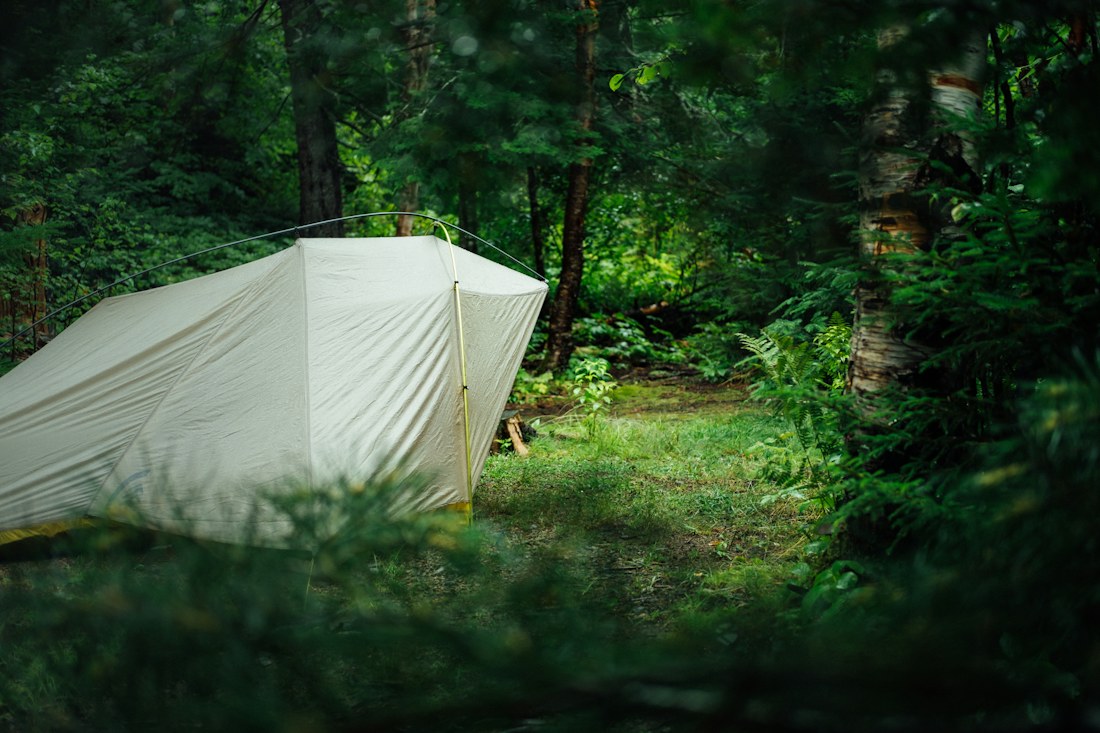
Count stakes and poles as you pack them, following the tent’s packing guidance. Put chargers, lamps, and small kitchen tools in their assigned pouches. Avoid resting loose parts on the vehicle roof or picnic table while working on the next task.
Separate wet and dirty equipment
Pack for the drive without letting wet gear contaminate items that need to stay dry. Note anything that must be unpacked and dried as soon as you get home. Temporary packing for travel is not the same as suitable long-term storage.
Inspect the whole area
Check the tent site, cooking area, table, parking space, and nearby edges for litter and forgotten items. Follow the land manager’s waste and wastewater instructions. Leave natural objects and the site itself in place rather than treating cleanup as a reason to alter the surroundings.
Close the trip at home
Dry, clean, and store the equipment according to its care guidance. Replace missing small parts and add repair tasks to the next packing list. Save the useful campground details while they are still fresh, including anything you would choose differently next time.