Work from the expected conditions
Look at the forecast and the environment rather than choosing a sleeping bag from its name alone. Consider the whole setup and the group’s experience. A comfortable previous night in different conditions does not establish that the same equipment suits the next trip.
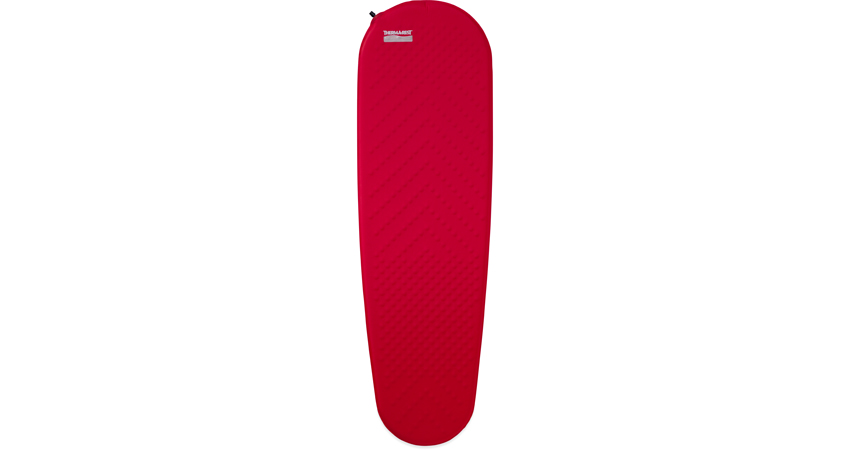
Treat the pad as its own decision
A sleeping pad contributes both cushioning and insulation from the ground. Compare published R-values using the stated test information, then look at width, length, and your preferred sleeping position. Thickness alone does not tell you how much insulation a pad provides.
Read sleeping-bag labels carefully
Identify which stated temperature is a comfort rating and which is another type of rating before comparing bags. Check the size and fit with the clothing you intend to use. Avoid treating a temperature number as a personal guarantee.
Test the full arrangement
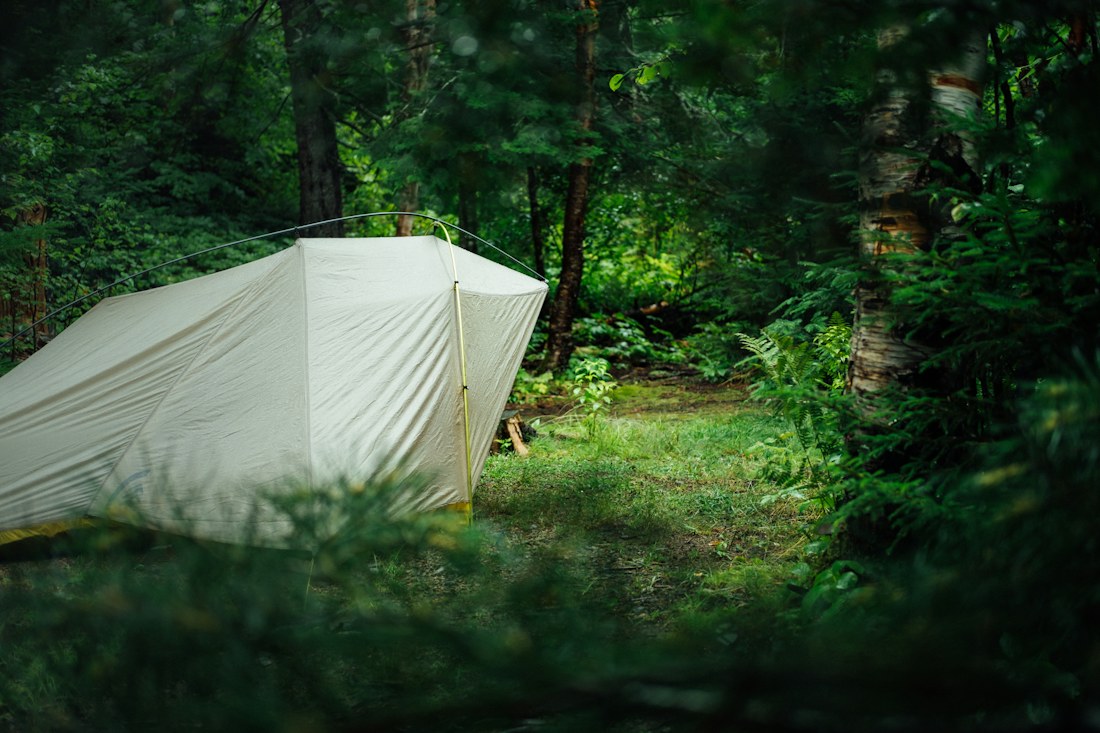
Inflate the pad, set up the sleeping space, and lie down in the combination before packing. Check whether the pad fits inside the shelter and whether two people can actually use their chosen pads side by side. Include the pillow or clothing arrangement you expect to use.
Keep the sleep kit organized
Protect the equipment that needs to stay dry and follow each maker’s care and storage guidance. Keep a compatible repair kit where you can find it. After the trip, record which part of the system needs adjustment rather than automatically replacing the sleeping bag.