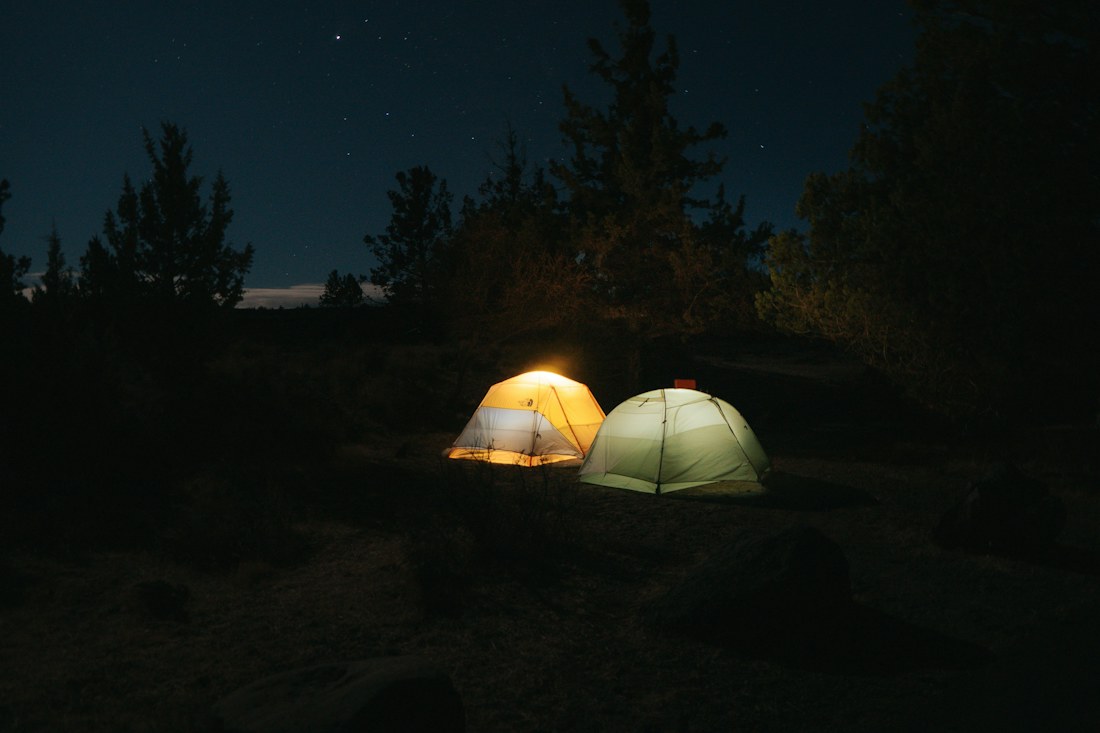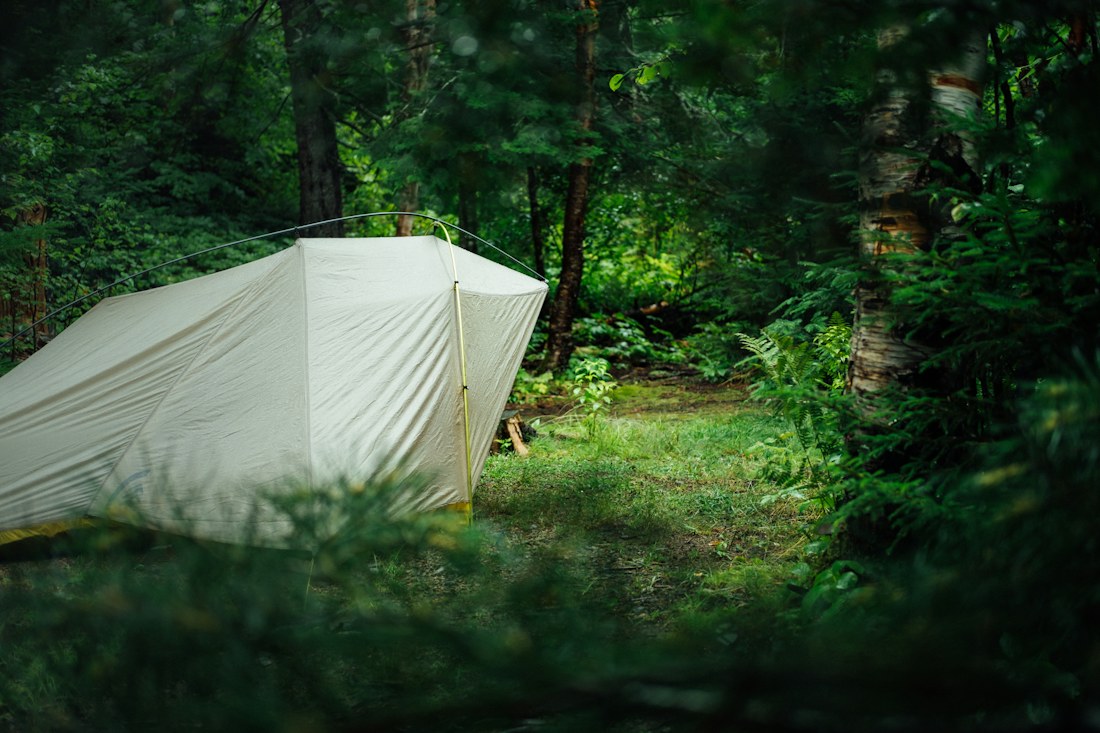
Start with the style of weekend
Decide whether the goal is a quiet base for hiking, a relaxed family camp, or a convenient overnight stop. That choice changes how you value facilities, distance from the vehicle, and nearby activity. A site that suits one trip may be a poor fit for another.
Read the specific site details
Check tent-pad dimensions, parking limits, occupancy information, and access descriptions on the official reservation or land-manager page. Confirm whether your equipment fits. A campground-wide amenity list does not guarantee that every individual site has the same features.
List what is supplied
Identify whether water, toilets, tables, and other facilities are available and operating for your dates. Make a separate packing list for gaps. This avoids carrying duplicates while missing something you assumed the site would provide.
Think through arrival and daily movement
Review check-in details, the drive, and the walk from parking to the site. Consider how often the group will move between sleeping, cooking, and nearby activities. Leave enough arrival time to understand the layout and set up without rushing.
Recheck the changing details
Review weather, closures, current notices, and any food-storage or fire restrictions before departure. Save the reservation and contact information offline. Keep an alternative plan if the conditions no longer match the weekend you intended.