Choose the food plan first
List the meals and decide which ingredients require refrigeration. Include travel time and the time until the food is eaten, not just the nights at camp. Shelf-stable options can simplify part of the menu, but check the storage instructions for each product.
Use temperature, not ice appearance
USDA guidance calls for keeping cold food at 40°F or below. Use a suitable thermometer and enough cold sources for the job. Ice remaining in one corner is not a reliable substitute for checking the conditions where perishable food is stored.
Organize by meal and separation
Use suitable sealed containers and separate raw foods from ready-to-eat foods. Label meals so people do not search through the entire cooler repeatedly. Keep the items used together close enough that the lid can be closed promptly.
Manage access and placement
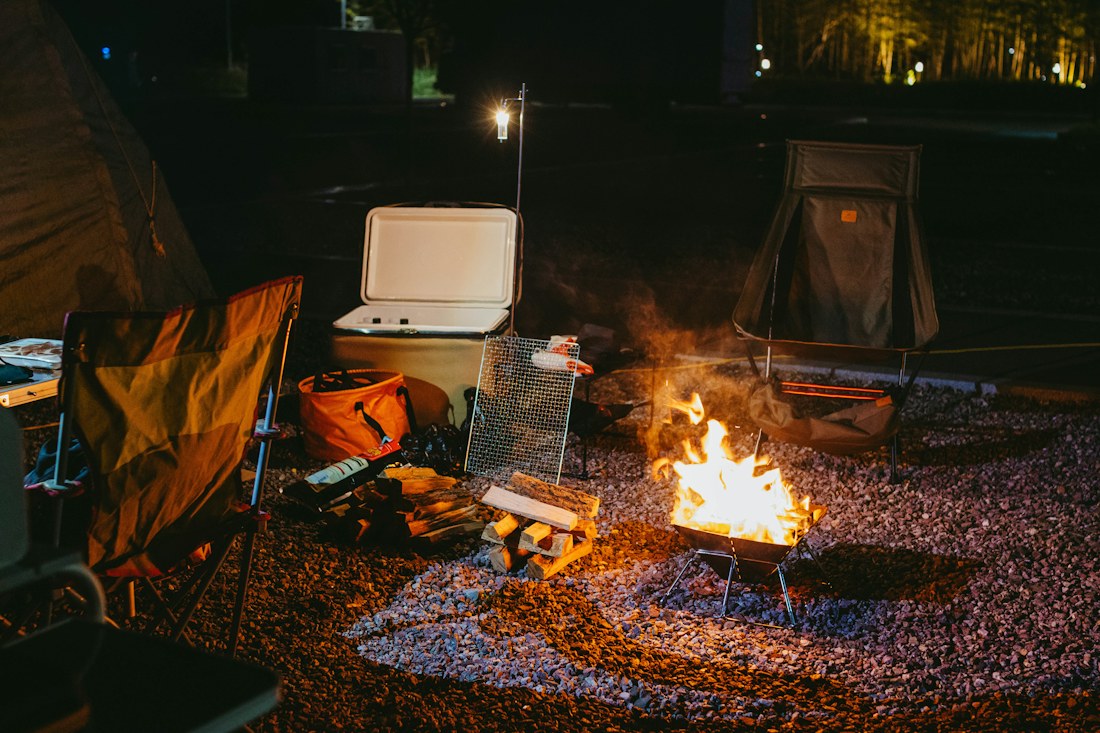
Keep the cooler in an appropriate shaded location and follow the campground’s wildlife-storage requirements. A separate drinks cooler may reduce repeated access to the food cooler if the space and trip justify carrying both. The storage rules still apply to both containers.
Have a simple end-of-trip routine
Use USDA time and temperature guidance when deciding what food can be kept; do not rely on smell or appearance alone. Empty, clean, and dry the cooler according to its care instructions. Adjust the next menu based on what the group actually ate.