Start with the maker’s care instructions
Keep the exact reel manual and rod information accessible. Freshwater and saltwater use can involve different care needs, and sealing claims do not replace the manufacturer’s directions. Avoid improvising a cleaning or lubrication procedure on equipment you have not serviced before.
Separate wet tackle
Open the tackle containers you used and allow wet items to dry appropriately before closing them for long-term storage. Inspect the compartments for loose line, damaged items, and debris. Remove anything that should not go back into the working box.
Check points of contact
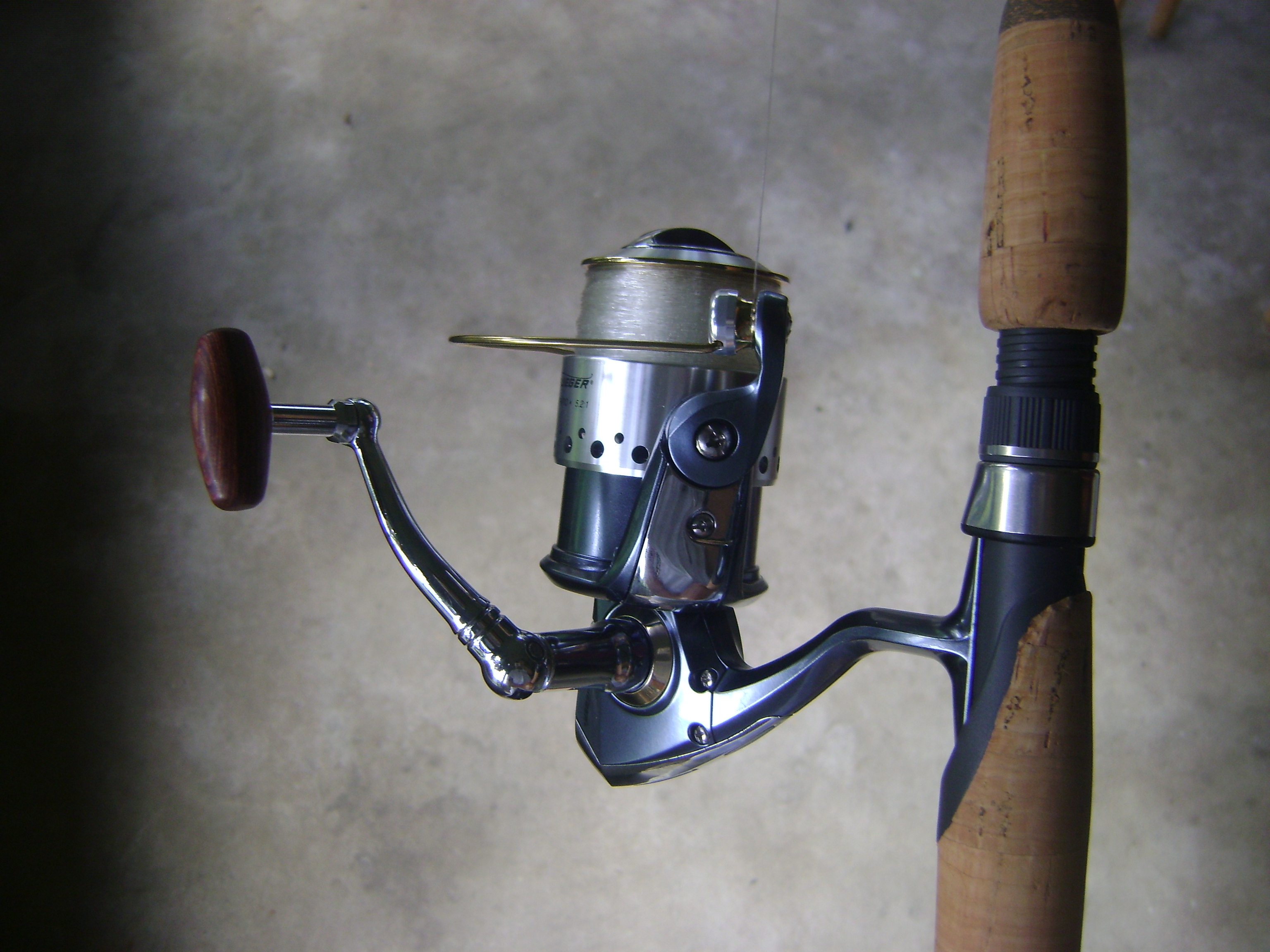
Inspect guides, handles, line, and the reel’s exterior for obvious damage or wear. Note problems without attempting repairs beyond your knowledge or the manual. A specific service note helps a shop understand what happened and when you first noticed it.
Restock the actual losses
Replace items used up or damaged, and return small tools to consistent places. Keep a short list attached to the tackle box so the next trip does not begin with a missing ruler or line cutter. Avoid filling every empty compartment just because it is empty.
Store for the next trip
Dry and store gear according to its care guidance, away from conditions the maker advises against. Leave the setup organized enough that a quick inventory is possible. A repeatable reset makes it easier to accept a last-minute chance to go fishing.