Record what you spooled
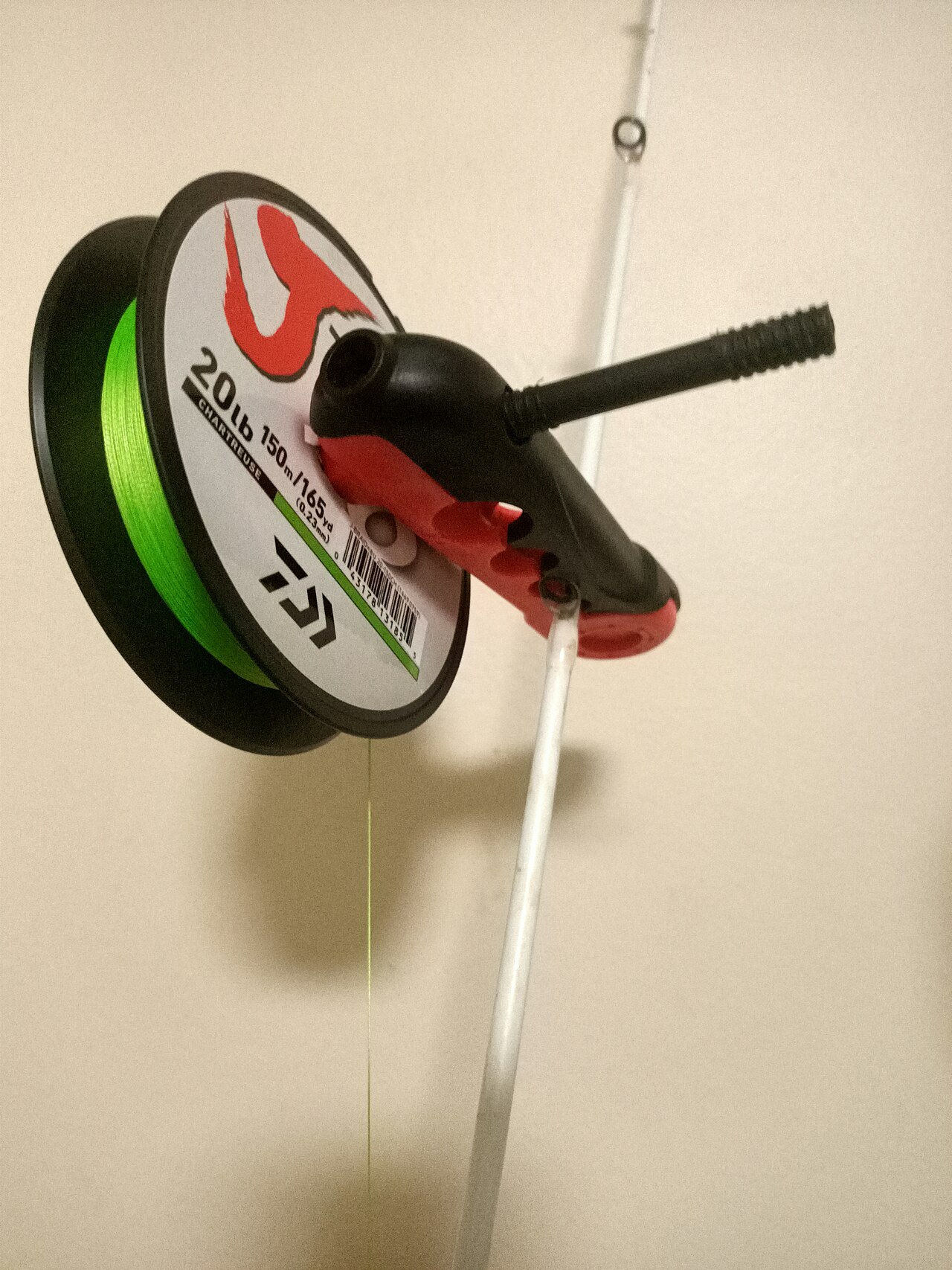
Write down the line material, stated strength, spool date, and any backing or leader arrangement. Keep the packaging or a photo of its label. This is more useful than trying to identify an unfamiliar clear line several months after buying it.
Check the section doing the work
Inspect the line near the lure or hook for visible wear, damage, or unusual deformation. Follow the line maker’s guidance when deciding what to replace. Repeated problems deserve a closer look at guides, knots, and the places where the line contacts other equipment.
Use a knot appropriate to the material
Do not assume that the same tying routine suits every line. Use an illustrated knot guide from the line maker, practice away from the water, and check each connection before fishing. Replace a connection you do not trust rather than trying to cast through the problem.
Troubleshoot one cause at a time
If loops or tangles recur, check the reel’s spooling guidance, line condition, and how you manage slack. Avoid immediately buying a different reel when the underlying issue may be the way the line was loaded or handled.
Store and dispose of it thoughtfully
Follow the maker’s storage instructions and keep spare line organized by label. Collect every offcut and damaged section so it does not reach the water or shoreline. Use a suitable local line-recycling program when available.