Use a short, repeatable template
Record date, waterbody, general access area, time fished, and the basic conditions. Add the target species and the equipment used. Keep exact location details private when sharing is unnecessary or could affect someone else’s access.
Describe the presentation
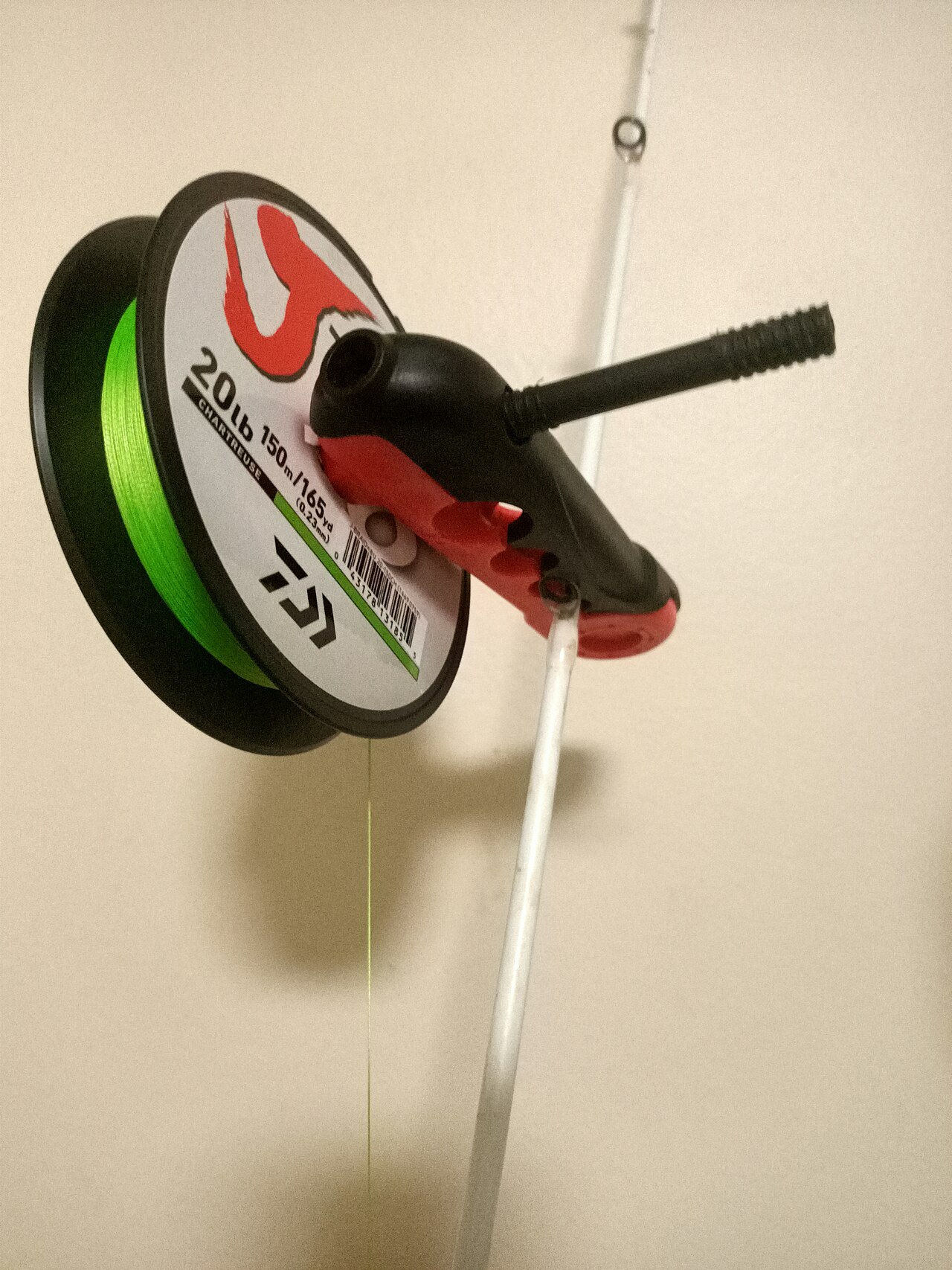
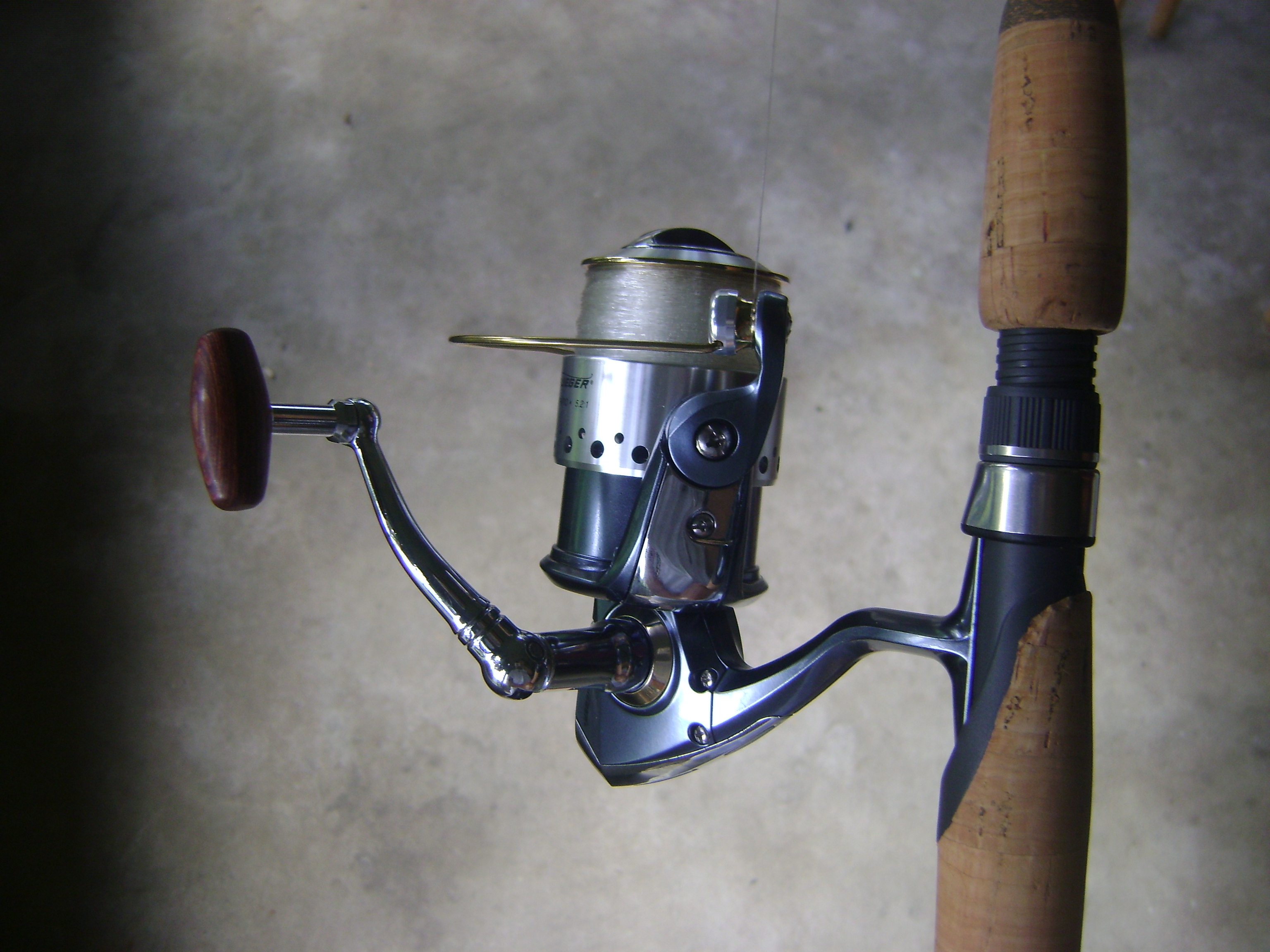
Note the lure or bait category, the line setup, and the water layer you intended to cover. The brand alone may tell you less than the way you used it. A clear description makes it easier to return to an approach weeks later.
Record the quiet days
An unsuccessful trip still tells you about access, equipment, and what you tried. Include problems such as a closed entrance or repeated line tangles. Otherwise your notebook becomes a highlight reel that hides the information you need to improve.
Separate observations from explanations
Write down what happened before deciding why it happened. A change in weather and a change in results occurring together does not prove one caused the other. Revisit similar trips and keep uncertainty visible in your conclusions.
Choose one next experiment
At the end of each entry, write one question for the next outing. It might concern a different access point, a simpler tackle arrangement, or a presentation you want to practice. Review the notebook before shopping for more equipment.