Build a task list before a packing list
Write down the activities you expect to complete during the outing. Add the preparation needs of the route and conditions. This gives every item a purpose and helps distinguish a useful backup from three versions of the same accessory.
Create quick-access zones
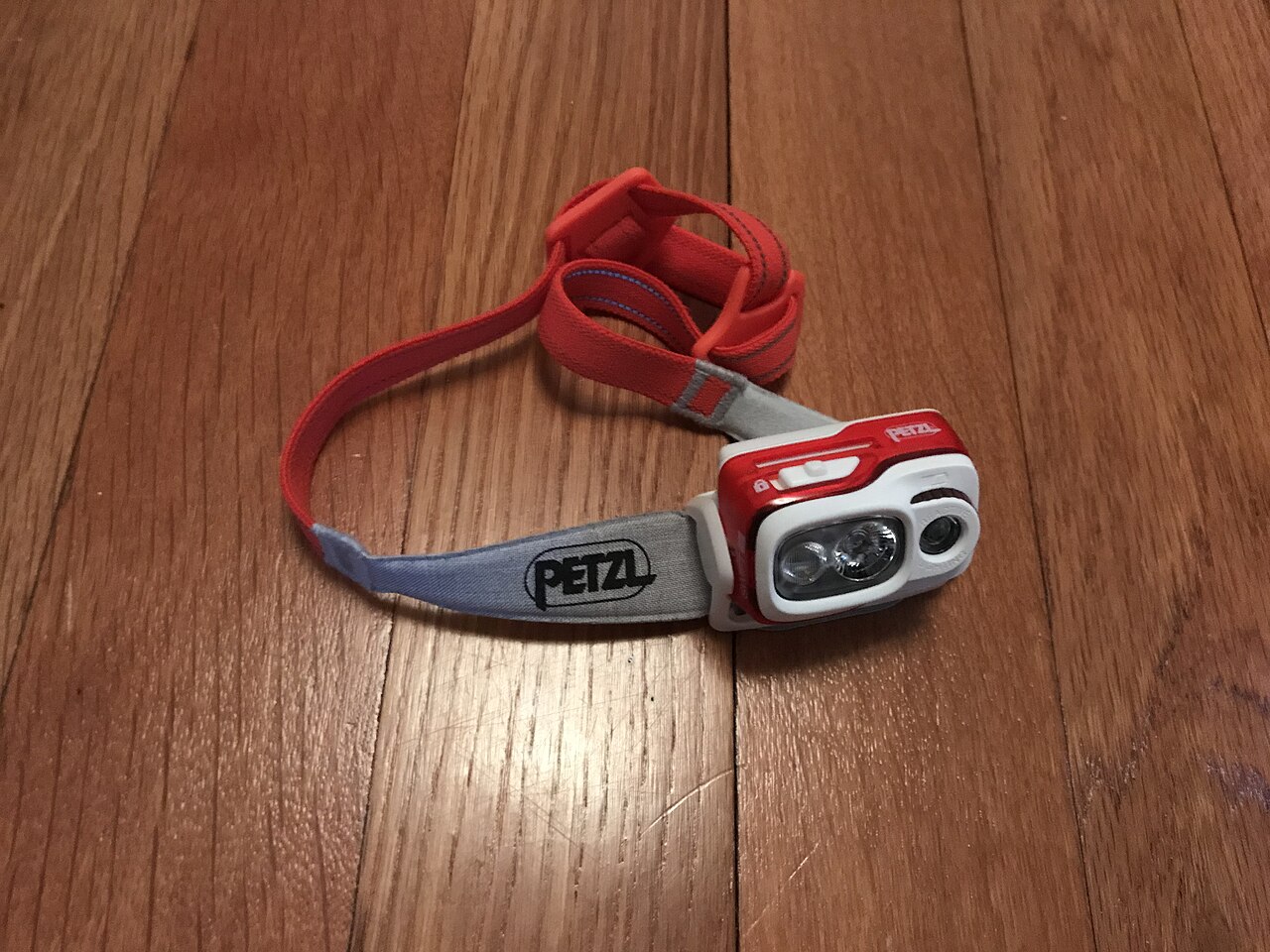
Keep the small items used during the walk separate from the gear used only after stopping. Use consistent pockets for navigation and lighting. Put a recognizable pouch around small parts so they do not disappear among loose clothing.
Protect what cannot get wet
Check which items require protection from rain or damp equipment. Use suitable bags or cases and inspect their closures. Keep dry clothing separate from wet or dirty gear during the return trip rather than assuming the pack’s outer fabric protects everything inside.
Load it and walk
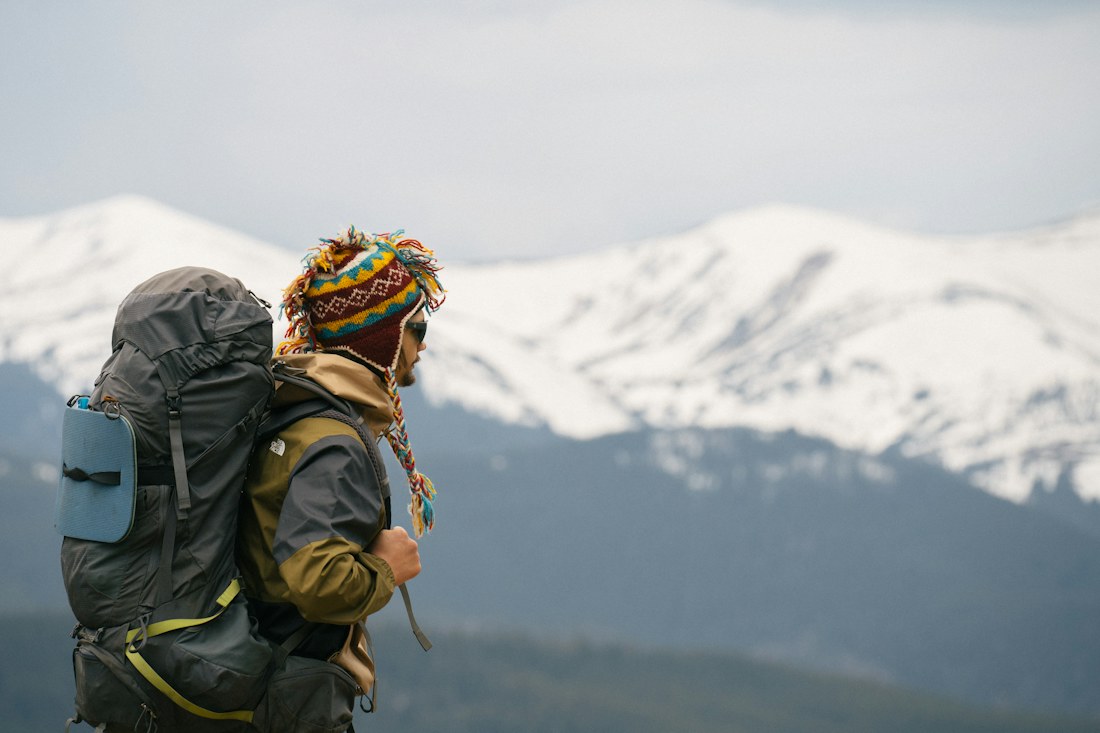
Test the pack with a realistic load and adjust the straps according to its instructions. Notice pressure points, noise from loose objects, and whether common items can be reached without a complete unpack. A trial walk provides better fit information than an empty-pack fitting.
Remove one recurring frustration
After each outing, record one item you could not find and one thing you carried without using. Move, replace, or remove thoughtfully. Keep essential preparation items even when they were not needed on a particular day; frequency of use is not the only measure of value.