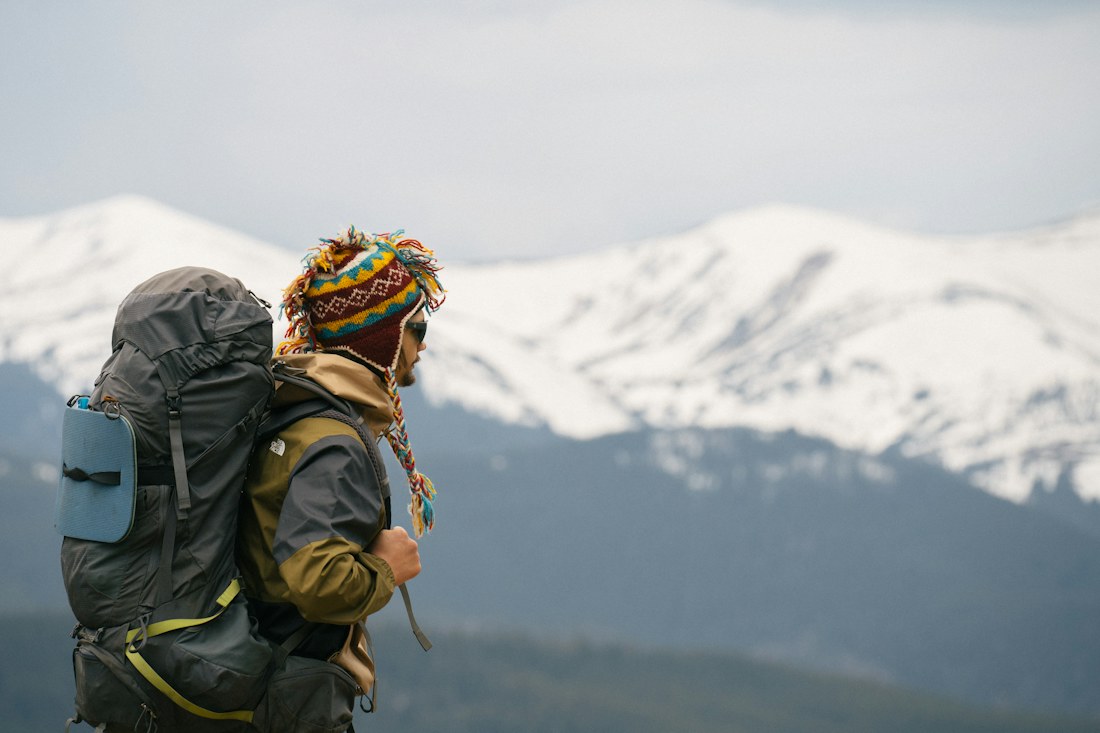
Describe the whole day
Write down the expected activity pattern: driving, walking, stopping, and returning. Note the forecast range and exposure you expect along the route. A clothing choice that feels right beside the truck may not suit both an uphill approach and a long stationary stretch.
Give each layer a job
Think in terms of next-to-skin comfort, adjustable insulation, and protection from the conditions. Avoid buying multiple pieces that perform the same role while leaving another role uncovered. Fit the outer layers over the combination you actually intend to wear.
Keep adjustment simple
Choose a packing arrangement that makes it easy to add or remove a layer. Store the layer you expect to need next near the top rather than underneath every other item. Practice changing the system with the gloves or headwear you normally use.
Treat hands and feet as separate decisions
Check boot and glove fit with the socks and liners you intend to use. Carrying more insulation is not a substitute for checking whether the full combination fits comfortably. Build your plan around the conditions and your own experience, and shorten the outing when conditions exceed the setup.
Keep a clothing log
After a trip, record which pieces were worn and which remained packed, alongside the weather and activity. Several entries reveal more than a single uncomfortable outing. Use that record to adjust one part of the system before replacing the whole wardrobe.