Start with the lure or bait job
Describe what you expect to cast and how you will fish it. That helps narrow the type of rod and reel before you compare cosmetic details. Use the rod’s published lure and line range as a compatibility check rather than treating a model name as a universal recommendation.
Match the reel style to the rod
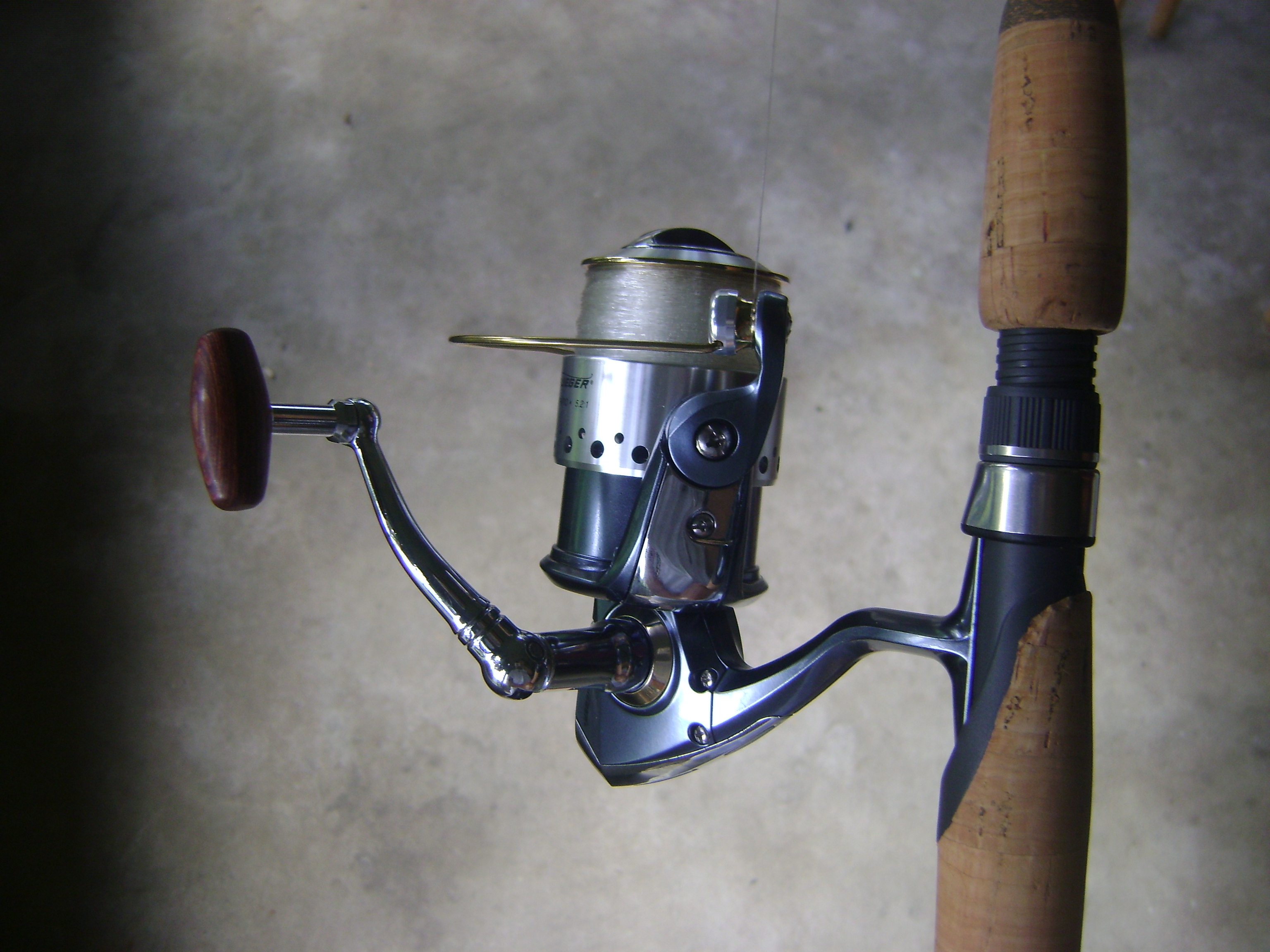
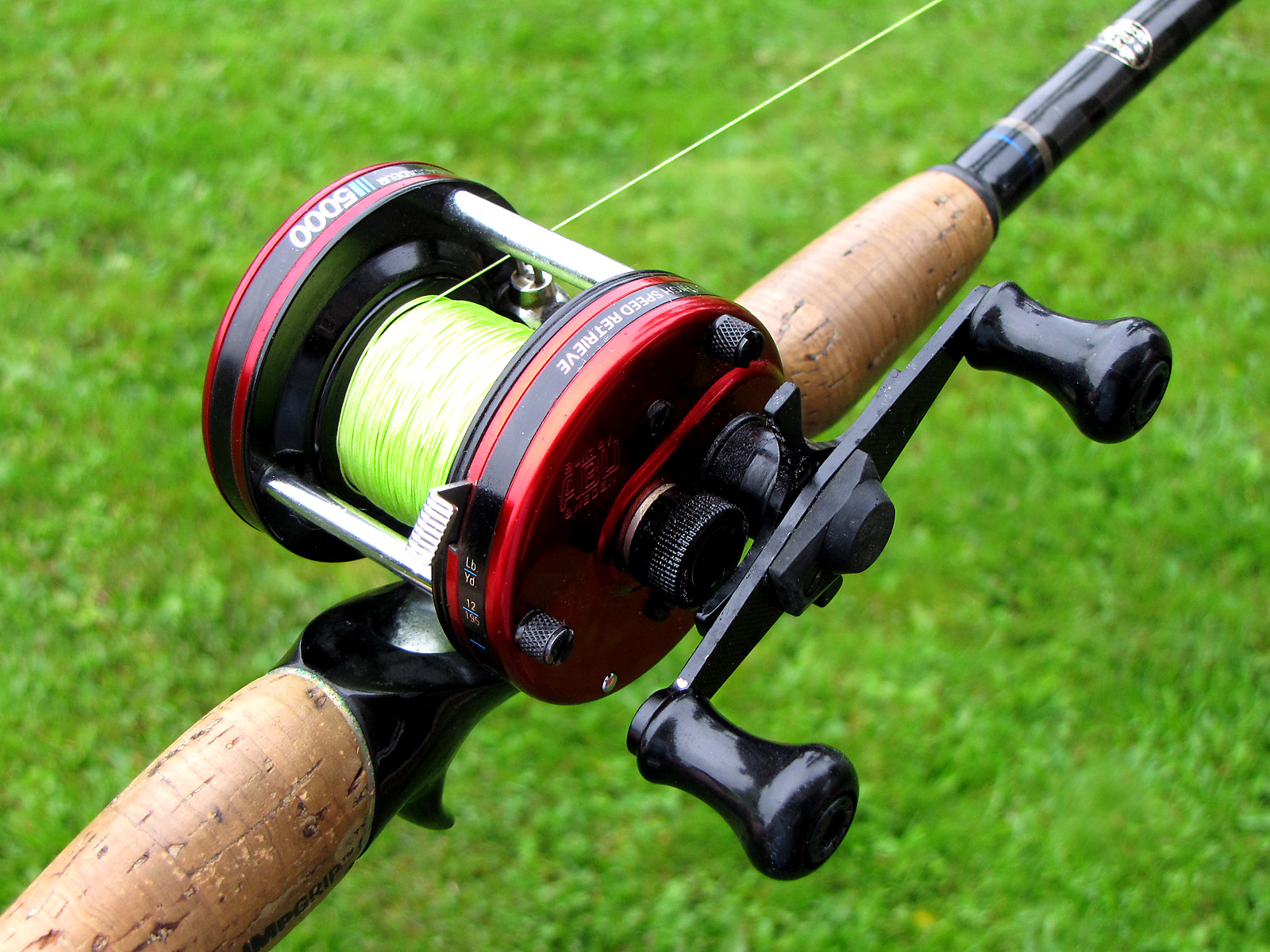
A spinning rod is designed around a spinning reel; a casting rod is designed for a casting reel. Check the reel seat and guide layout when buying individual parts. If you are uncertain, take the rod or its exact model information to a local shop.
Use capacity information carefully
Reel size labels are not perfectly standardized across brands. Compare the actual line-capacity table for the line you plan to use. A higher maximum drag number alone does not establish that a reel is the right size or a better match for a particular rod.
Treat the line as part of the system
Material, diameter, and the line’s stated strength affect handling and how much fits on the spool. Read both the line maker’s and reel maker’s instructions. Check the whole setup before buying a large spool of a line you have not used.
Balance and practice before the trip
Assemble the combination and check that it feels manageable with your intended use in mind. Practice with suitable equipment in an appropriate open area. Make one change at a time when you are learning, so problems are easier to identify.