Capture facts while they are fresh
Record the date, route, time outside, conditions, and direct observations. Note where you changed the plan and why. A concise record written after the trip is often more useful than trying to reconstruct several outings from a photo folder weeks later.
Keep assumptions in their own column
Separate an animal you observed from a theory about where it spends the day. Record tracks or other signs without pretending to know exactly when they were made. Labeling uncertainty makes the notebook more trustworthy when you return to it.
Audit the equipment experience
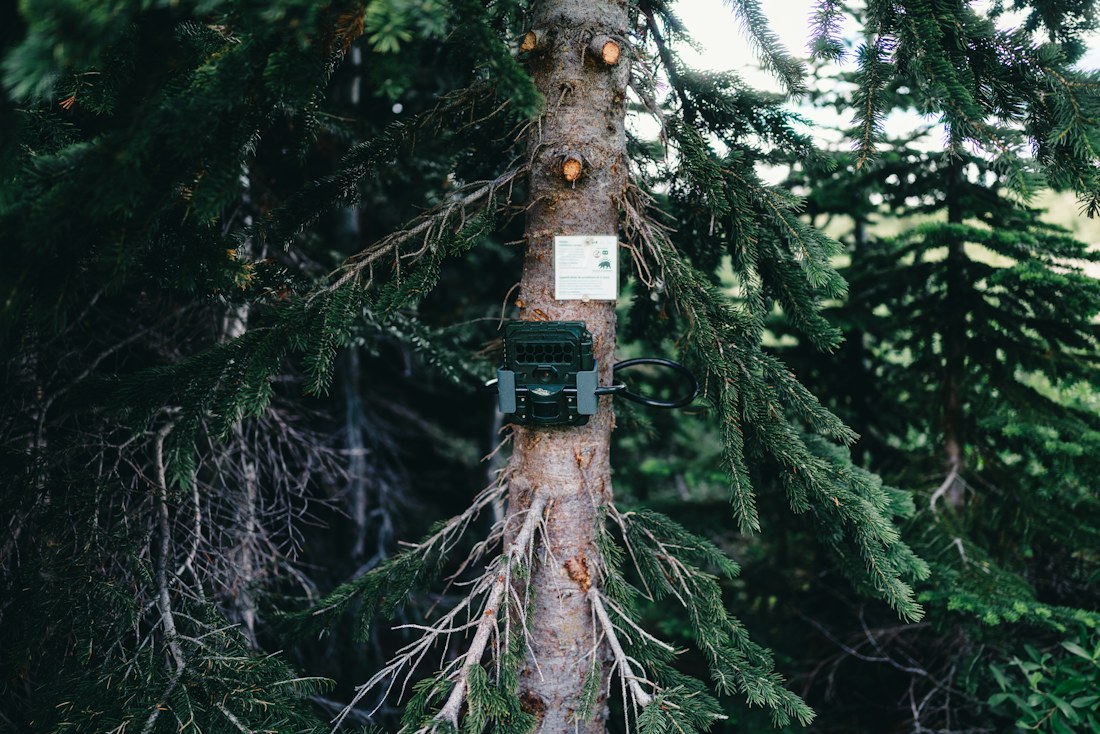
Write down failures, near-empty batteries, missing small parts, and things that were difficult to reach. Clean and dry equipment according to its instructions before storage. Add an exact repair task rather than leaving a vague reminder to get the gear ready.
Choose the next question
Pick one observation to investigate on a future trip. It could be access to another trail junction, a better camera angle, or a route that avoids a difficult section. Resist changing several parts of the plan at once if you want to learn which change mattered.
Keep the record usable
Name folders and notebook entries consistently, and back up the information you want to retain. Avoid sharing precise locations or other people’s private access details casually. Review several comparable trips before treating one result as a reliable pattern.