Lay out complete systems
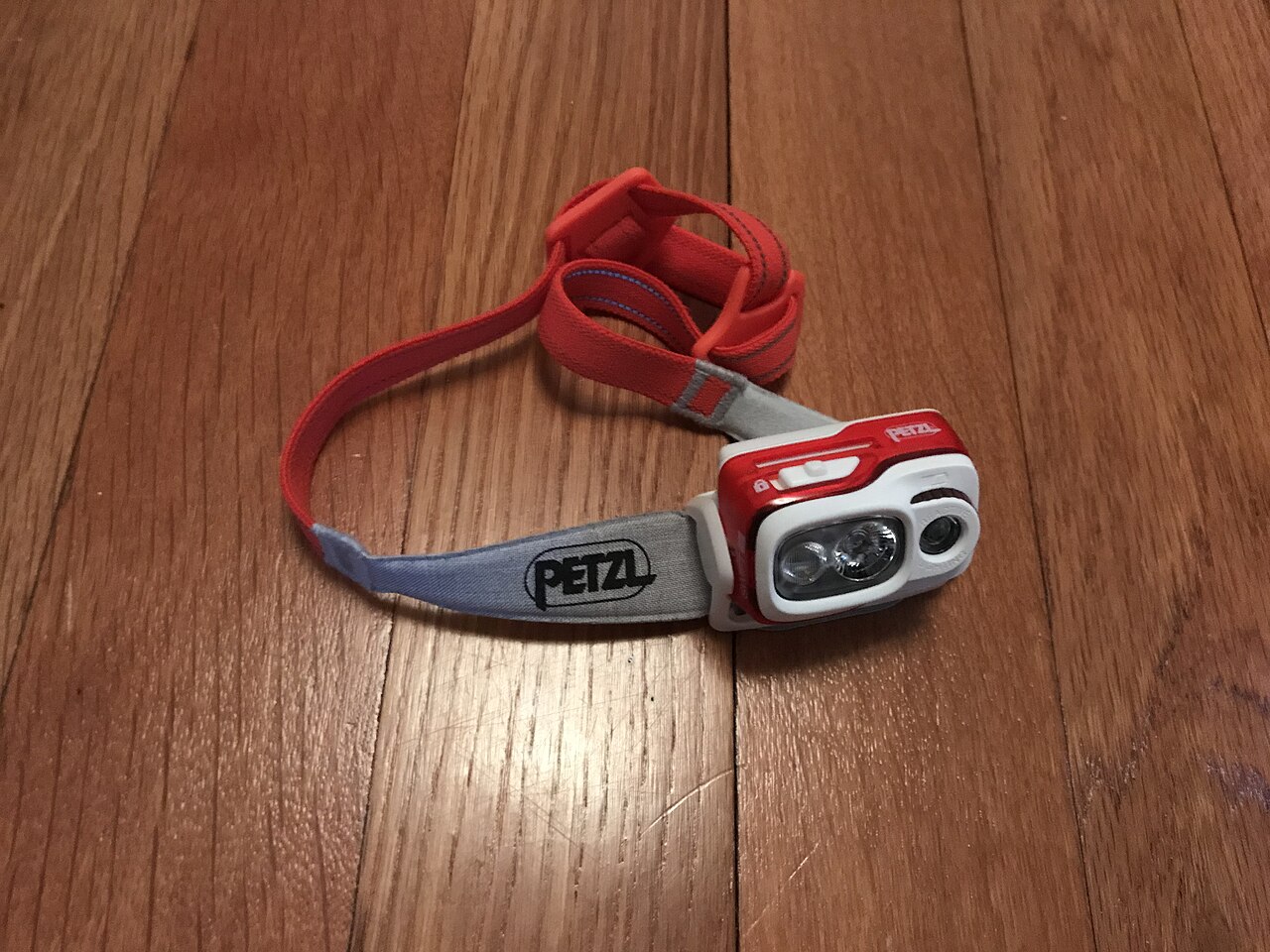
Group gear by navigation, clothing, lighting, observation, and the equipment needed for your particular hunt. A pile organized by brand hides missing pieces. A system organized by task makes it easier to see that the lamp is present but its batteries are not.
Inspect before replacing
Check straps, buckles, closures, fabric wear, and battery compartments. Separate anything that needs manufacturer guidance or professional service. For safety-critical equipment, use the maker’s inspection and retirement instructions rather than trying to judge remaining life from appearance alone.
Test small failures at home
Confirm that lights switch on, memory cards are recognized, and downloaded maps open without a connection. Check charging cables against the actual devices in the pack. A simple checklist beside the charging station makes it easier to notice a device that never got plugged in.
Pack the way you will use it
Place frequently used items where you can reach them without unloading everything. Put equipment that must stay dry in an appropriate protective layer. Take a short loaded walk and adjust the fit before discovering a rubbing strap during a longer outing.
Create a repair and purchase list
Separate missing necessities from optional upgrades. Record the exact replacement part or battery type beside each task. Complete repairs first, then decide whether a new purchase solves a real problem or simply duplicates a working piece of equipment.